Rental Property Mold Remediation in Browne's Addition, WA
Mold is removed from affected walls, ceilings and flooring in your Browne's Addition rental, with sound surfaces cleaned and dried. Call 24/7 to start your assessment and cleanup.
- Occupied and vacant rentals
- Containment and HEPA filtration
- Moisture source checked first
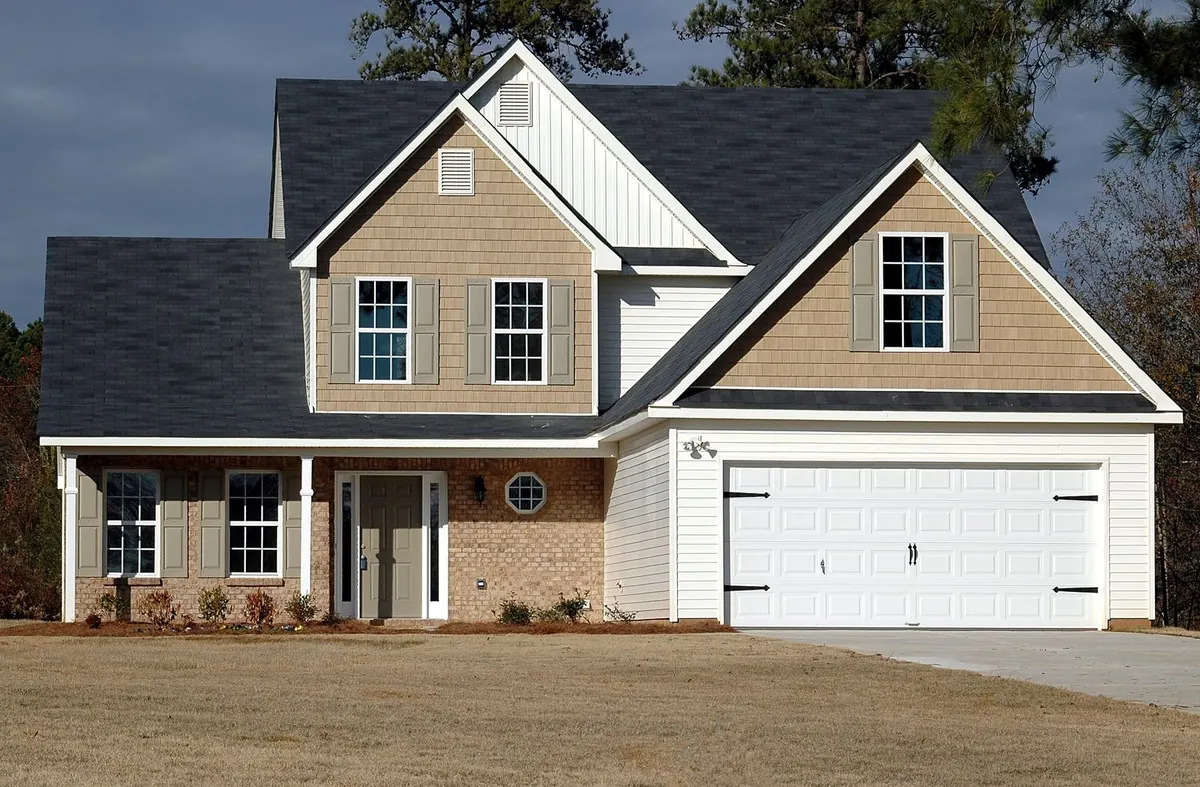
Your Browne's Addition Rental Property: Mold Remediation Services
Your bathrooms and kitchens, along with utility spaces and bedrooms, are covered by rental cleanup. Removal addresses damaged carpet, cabinet backing and drywall. Sound surfaces undergo cleaning, then drying.
Leaks, water intrusion and condensation are traced during your assessment. Remediation is listed separately from rebuilding and plumbing repairs in your written work scope.
For vacant units, moisture checks and verification remain the same and come before new finishes. Planning for your room restrictions and debris movement considers tenant access through shared hallways.
- Rental house and unit assessment
- Checking Plumbing Cavities Along With Shared Walls
- Contained drywall removal
- Surface cleaning and controlled drying
- Access planning for occupied rentals
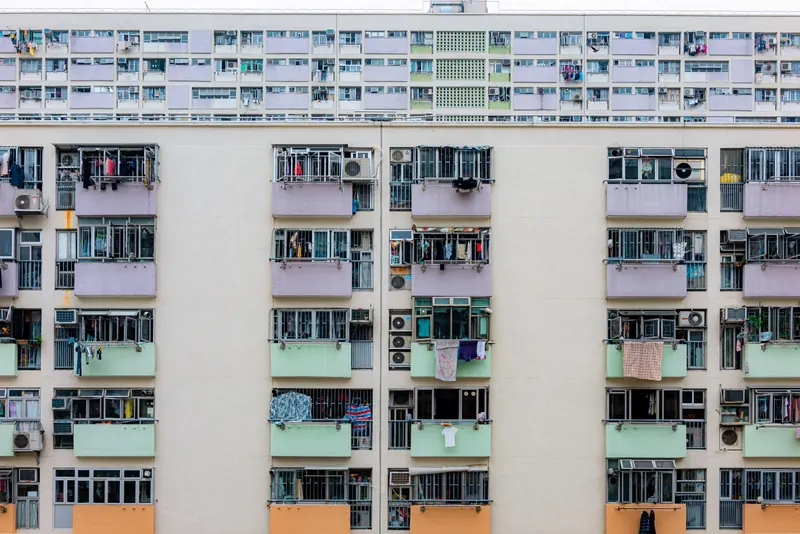
When Your Spokane County Rental Needs Mold Cleanup
Hidden moisture may be behind your recurring mold, lingering smells or damp finishes.
Mold Found in Rental Property at Turnover
Hidden growth becomes visible when damaged flooring is lifted or furniture moved.
Returning Mold in a Rental Property
Persistent dampness lets spots return despite wiping or fresh paint.
Soft Rental Walls or Swollen Cabinets
Bubbling paint or swollen backing can accompany concealed moisture.
Dampness Beside Shared Plumbing
A leak route may show as stains near plumbing or neighboring walls.
Musty Odor Inside Your Rental House
Your closet, bedroom or cabinet smells damp after cleaning.
How Rental Property Mold Remediation Works
Your job moves from assessment through contained removal, cleaning, drying and final checks.
Rental Assessment
Inspection covers access routes along with visible mold growth. A moisture meter checks dampness; a thermal imaging camera locates temperature differences but cannot identify mold.
Rental Moisture Source and Scope
Shared plumbing, ventilation and leaks undergo assessment. Your written scope of work defines affected materials, source repairs and removal limits.
Rental Work Area Containment
Poly sheeting forms a containment barrier. A HEPA air scrubber acts as an air filtration device; negative air pressure and protective equipment restrict the spread of mold spores.
Damaged Material Removal
Unsalvageable carpet pad, cabinet backing and drywall go into bags within the contained area. Common areas receive protection along the route for debris.
Surface Cleaning
Non-porous surfaces and structurally sound framing are cleaned using a HEPA vacuum and damp methods. Physical removal may be supplemented with antimicrobial treatment when appropriate.
Controlled Rental Drying
Air movers assist drying following cleanup, together with a dehumidifier. Moisture readings monitor dampness ahead of closing cavities or replacing flooring.
Verification and Reopening
Agreed post-remediation verification, plus cleaning and drying, must finish before containment removal. If specified, clearance testing is conducted by an independent assessor; required repairs then precede normal use of rooms.
Why Spokane Mold Cleanup for Your Rental Property Mold Remediation
Moisture Source First
Before cleaning starts, tracing condensation and leaks helps address recurring growth.
Clear Rental Work Scope
Your removal limits, room restrictions and separate repairs are explained before work begins.
Rental Calls Answered 24/7
One number starts your assessment across Greater Spokane, whether you are a tenant, landlord or property manager.
Contained Work in Your Rental
HEPA filtration and containment match the space affected, with access arranged around rooms that remain occupied.
Removal Through Final Checks
Sound surfaces receive cleaning and drying, damaged material comes out, and containment removal follows verification.
Before Rental Mold Cleanup in Spokane County
Keep damaged materials untouched while you call to schedule an assessment.
- Avoid wet electrical equipment. Stay away from standing water near outlets or wiring.
- Leave damaged finishes in place. Leave growth unscraped, avoid sanding walls and do not lift moldy carpet.
- Keep people away from growth. Exclude pets and children from the affected area.
- Avoid spreading particles. EPA says not to run an HVAC system that may be contaminated.
- Limit fresh water damage. EPA advises drying water-damaged areas and items within 24 to 48 hours to prevent mold growth.
Rental Property Mold Remediation Cost in Browne's Addition, WA
These published national ranges are general benchmarks, not rental-specific prices. Your price reflects material damage and access, with cleanup separated from testing and rebuilding.
Typical national range, average $3,500
$1,500 to $9,000 per jobSource: Fixr, Mold Remediation Cost (checked 2026-10-23)Professional rate for areas over about 10 square feet
Per square foot, $10 to $30Source: Fixr, Mold Remediation Cost (checked 2026-10-23)Roughly 50 Square Feet Affected by Mold
$500 to $1,500 per jobSource: Fixr, Mold Remediation Cost (checked 2026-10-23)Factors Affecting Rental Mold Cost in Browne's Addition
- Affected rooms and square footage
- Containment and HEPA filtration
- Work to Remove Material Behind Cabinets or Shared Walls
- Rebuilding, Separate Testing and Leak Repair
- Access through occupied common areas
Your Price for Rental Mold Cleanup
These published national ranges are planning figures. Your on-site assessment defines the work and price before cleanup starts, including any separate source repairs or rebuilding.
Call (844) 352-3560 about costRental Property Mold Remediation Service Area Across Greater Spokane
Call (844) 352-3560 to arrange cleanup in Browne's Addition or nearby communities. One number covers the metro.
Rental Property Mold Remediation in Locations Near Browne's Addition
What People Ask About Rental Property Mold Remediation in Browne's Addition
What needs to be removed from the rental?
Damaged drywall, carpet pad and insulation may need removal. Sound framing can often undergo cleaning and drying, as can non-porous surfaces. Actual damage determines removal boundaries during your assessment. Your belongings undergo their own evaluation; only replacement finishes named in your scope are included.
Is cleanup possible across rental units or inside shared walls?
Nearby spaces become part of the scope if assessment reveals moisture or damage extending beyond your unit. Access is arranged with the property owner or building owner. In an occupied building, phased remediation can divide work areas, using containment and completion checks in each area.
Does cleanup also address the rental's moisture problem?
Necessary corrections and the moisture source are established through assessment. Repairs to ventilation, plumbing and roofing count as included only if your scope lists them. Separate repairs are specified ahead of cleanup so replacement drywall or flooring does not conceal materials exposed to an ongoing moisture problem.
Could your rental develop mold again after cleaning?
Persistent dampness can allow mold to return. Before cleaning, your assessment locates condensation and leaks. Drying covers remaining surfaces after affected materials are cleaned or taken out. Your rental is less likely to repeat conditions that supported growth with completed source repairs and humidity control.
Can you stay in the rental during cleanup?
Occupant needs, ventilation and access to essential rooms determine whether staying is possible. Containment isolates the work zone, yet certain layouts mean you need other accommodation. Access arrangements are defined before removal. Restrictions remain on your kitchen or bathroom pending completion of necessary repairs and final checks.
How long should you expect rental cleanup in Browne's Addition to take?
Access conditions, affected rooms and damage determine your project schedule. Opening a shared wall takes different work from cleaning a surface. Drying depends on moisture readings. Replacement finishes, verification and repairs to leaks influence job completion and when you can use your rooms again.
How is mold cleanup pricing affected in Spokane County?
Your price reflects affected square footage, removal volume, containment and building access. National ranges appear in the cards above alongside units and sources. Unseen damage may change what work is necessary. Your scope defines rebuilding and cleanup alongside separate testing ahead of the initial work.
Should testing happen before or after cleanup of the rental?
With visible mold, EPA guidance often does not call for air sampling. The affected area is identified through inspection and dampness checks. Checks confirm cleaning and drying before dismantling containment. An independent assessor conducts any specified clearance testing and issues the clearance report. Federal limits for mold levels indoors do not exist.
Insurance and Mold Cleanup for Rentals in Washington
Your moisture source, policy exclusions, terms and deductible determine insurance coverage. Separate policies may apply to the building cleanup and a tenant's belongings. Filing a claim does not define what cleanup work is needed.
Mold Cleanup in Greater Spokane: Precautions for Rental Properties
Your removal precautions limit spore movement through work area containment and restrictions on access.
Black Mold in Rental Property
According to CDC, you cannot judge mold risk by color.
Contaminated Water
Sewage or contaminated water damage calls for professional cleanup.
Rental Access Boundaries
Occupied rooms and shared routes are assessed before equipment is placed.
Sensitive Occupants
According to CDC, some people experience allergy and asthma symptoms triggered by mold.
Cleanup scope: EPA notes that homeowners can often clean an area smaller than about 10 square feet. Affected HVAC systems or more extensive areas need professional attention.
Cleaning or Removing Rental Materials in Spokane County
Your materials are assessed by condition to decide between cleaning and removal.
Non-porous surfaces
- Sound metal and glass, along with tile, are cleaned and dried while backing undergoes separate evaluation.
Porous building materials
- Moldy carpet, insulation and drywall may require removal, while sound wood may be cleaned.
Rental contents
- Belongings undergo their own assessment apart from building materials, with unsalvageable items removed as your scope specifies.
Timing Your Rental Mold Cleanup in Spokane County
Access, the amount removed, drying and required repairs determine your project timing.
- Access: Rooms in use and common spaces influence when each area becomes available for work.
- Drying: Moisture readings determine readiness for replacement materials.
- Reopening: Your bedroom, kitchen or bathroom can reopen according to repair progress and final checks.
Rental Humidity and Odor Concerns in Browne's Addition
A musty odor is investigated through moisture and material checks. Fragrance does not correct damp walls or hidden growth.
EPA recommends an ideal indoor relative humidity range of 30 to 50 percent and a level below 60 percent. Your cleanup benefits from drying equipment, though it cannot take the place of leak repairs or ventilation corrections.
Requirements for Rental Mold Cleanup in Washington
Rental Work Requirements
The Washington Department of Health says the state has no specific certification requirements for mold or water damage restoration. It suggests confirming any contractor's registration, bond and insurance, which you can check on the Department of Labor and Industries (L&I) contractor lookup.
Rental Property Information
Washington's Department of Health says renters can report building problems that cause moisture to their county or city building code enforcement office. It also notes that those offices may not respond to mold complaints themselves, so the water source is the key issue.
State Disclosure Requirements
Under Washington's Residential Landlord-Tenant Act (RCW 59.18.060), landlords give tenants Department of Health information about indoor mold health hazards, either in writing or by posting it in a public spot. New tenants get it at signing.
Local Mold Information
The Washington State Department of Health publishes a Mold fact sheet and renter and landlord mold guidance. It says you usually do not need to sample for mold because it can be seen or smelled, and it suggests a professional for large or hidden areas.
State guidance: WA Department of Health, Identifying an Unknown Indoor Air Quality Problem (hiring a contractor); WA Department of Health, Mold fact sheet (PDF); WA Department of Health, Mold for renters and landlords; RCW 59.18.060 Landlord duties; WA Labor and Industries, Hiring a Contractor
Related Services and Next Steps
Start Your Rental Property Mold Remediation in Browne's Addition
Call 24/7 to arrange your assessment. Your cleanup starts with the affected surfaces, moisture source and access to your home.