Rental Property Mold Remediation in Hauser, WA
Mold is removed from affected walls, ceilings and flooring in your Hauser rental, with sound surfaces cleaned and dried. Call 24/7 to start your assessment and cleanup.
- Occupied and vacant rentals
- Containment and HEPA filtration
- Moisture source checked first
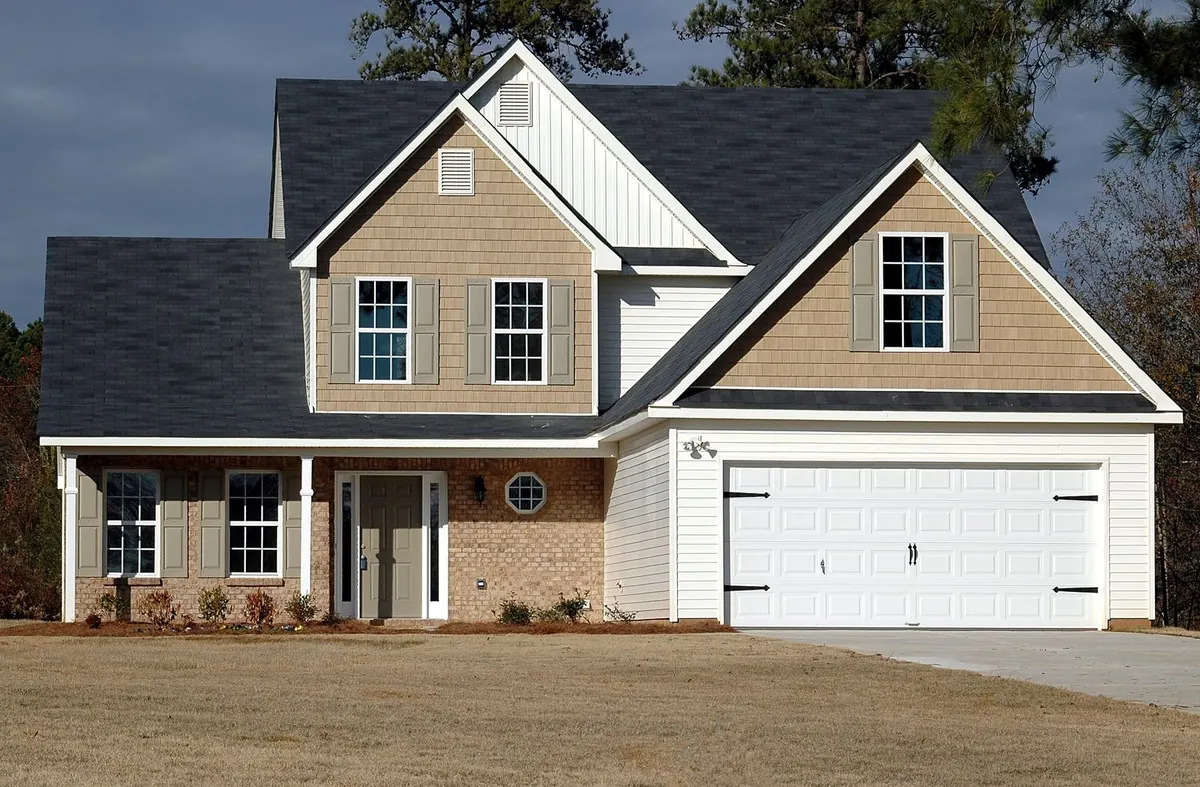
Rental Property Mold Remediation Services in Hauser
Cleanup in your rental includes utility spaces, bedrooms, kitchens and bathrooms. Sound surfaces receive cleaning and drying, while damaged cabinet backing, carpet and drywall come out.
Your written scope distinguishes mold remediation from rebuilding and repairs to plumbing. The assessment tracks down water intrusion, leaks and condensation.
Your tenant access and shared hallways shape debris routes and room restrictions. Vacant units undergo the same checks for moisture and verification before replacement finishes are installed.
- Rental house and unit assessment
- Checking Plumbing Cavities Along With Shared Walls
- Contained drywall removal
- Surface cleaning and controlled drying
- Access planning for occupied rentals
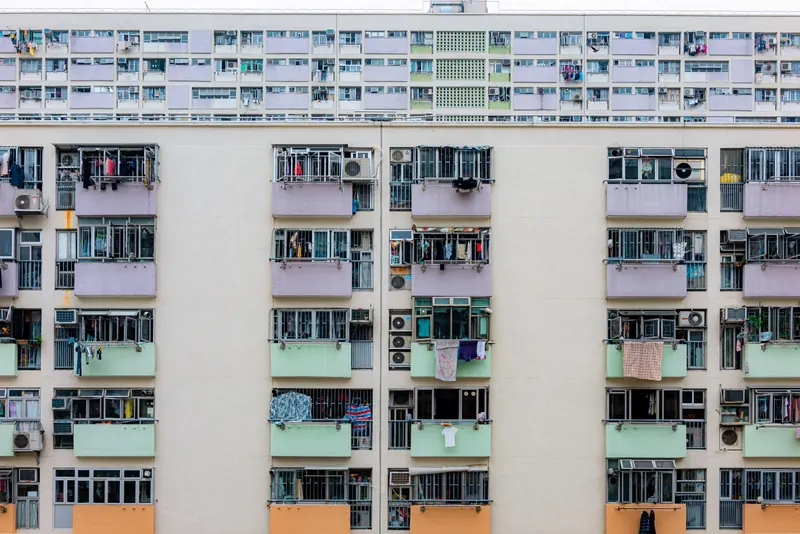
When Your Spokane County Rental Needs Mold Cleanup
Your damp finishes, odor that persists or mold that returns may point to concealed moisture.
Recurring Mold in a Rental Property
Wiping spots away or repainting does not stop recurrence while moisture persists.
Musty Odor in Your Rental House
Even after cleaning, a damp odor persists in your closet, cabinet or bedroom.
Dampness Beside Shared Plumbing
Discoloration beside pipes or adjacent walls may trace where a leak travels.
Mold Found in Rental Property During Turnover
Lifting damaged flooring or moving furnishings uncovers growth previously hidden.
Soft Rental Walls or Swollen Cabinets
Concealed moisture can occur with backing that swells or paint that bubbles.
Rental Property Cleanup: How Mold Remediation Works
Your assessment leads into removal under containment. Surfaces are then cleaned and dried before final checks.
Rental Assessment
Access paths undergo inspection alongside visible mold growth. A moisture meter checks dampness; a thermal imaging camera locates temperature differences but cannot identify mold.
Rental Moisture Source and Scope
Shared plumbing, ventilation and leaks undergo assessment. Source repairs and affected materials are defined alongside removal limits in your written scope of work.
Rental Work Area Containment
A containment barrier uses poly sheeting. A HEPA air scrubber acts as an air filtration device; negative air pressure and protective equipment restrict the spread of mold spores.
Damaged Material Removal
Drywall beyond salvage is bagged within containment along with unsalvageable carpet pad and cabinet backing. Protection covers the debris path across shared areas.
Surface Cleaning
HEPA vacuum cleaning and damp cleaning treat non-porous surfaces and sound framing. Physical removal may be supplemented with antimicrobial treatment when appropriate.
Controlled Rental Drying
A dehumidifier and air movers support drying after cleaning. Dampness is tracked with moisture readings before cavities close or replacement flooring goes in.
Verification and Reopening
Cleaning, drying and agreed post-remediation verification are completed before containment comes down. If specified, clearance testing is conducted by an independent assessor; required repairs then precede normal use of rooms.
Why Spokane Mold Cleanup for Your Rental Property Mold Remediation
Removal Through Final Checks
Damaged material comes out and sound surfaces are cleaned, then dried, with verification completed ahead of containment removal.
Contained Work in Your Rental
HEPA filtration and containment match the space affected, with access arranged around rooms that remain occupied.
Moisture Source First
To address mold returning, leaks and condensation are tracked down ahead of cleaning.
Clear Rental Work Scope
Before work starts, you receive explanations of separate repairs, removal boundaries and room restrictions.
Rental Calls Answered 24/7
Across Greater Spokane, one number begins your assessment whether you rent, own or act as property manager.
Preparing for Rental Mold Cleanup in Spokane County
Do not disturb your affected materials; arrange an assessment by phone.
- Avoid wet electrical equipment. Stay away from standing water near outlets or wiring.
- Leave damaged finishes in place. Avoid lifting moldy carpet, scraping growth or sanding walls.
- Keep people away from growth. Keep children and pets outside the affected area.
- Avoid spreading particles. Leave your HVAC system off if contamination is possible, EPA advises.
- Limit fresh water damage. EPA advises drying water-damaged areas and items within 24 to 48 hours to prevent mold growth.
Understanding Rental Mold Remediation Cost in Hauser, WA
Your rental price depends on access and damaged materials; the published national figures are general benchmarks. They are not prices specific to rentals, and cleanup is separate from rebuilding and testing.
Typical national range, average $3,500
$1,500 to $9,000 per jobSource: Fixr, Mold Remediation Cost (checked 2026-10-23)Professional Pricing Above About 10 Square Feet
$10 to $30 for each square footSource: Fixr, Mold Remediation Cost (checked 2026-10-23)Roughly 50 Square Feet Affected by Mold
$500 to $1,500 per jobSource: Fixr, Mold Remediation Cost (checked 2026-10-23)Rental Mold Cost in Hauser: What Changes the Price
- Removal Work Behind Cabinets or Shared Walls
- Leak Repair, Rebuilding and Separate Testing
- Containment and HEPA filtration
- Access through occupied common areas
- Affected rooms and square footage
Your Price for Rental Mold Cleanup
These published national ranges are planning figures. Your on-site assessment defines the work and price before cleanup starts, including any separate source repairs or rebuilding.
Call (844) 352-3560 about costRental Property Mold Remediation Service Area Across Greater Spokane
Call (844) 352-3560 to arrange cleanup in Hauser or nearby communities. One number covers the metro.
Rental Property Mold Remediation in Locations Near Hauser
ZIP codes
Frequently Asked Questions About Rental Property Mold Remediation in Hauser
Is correcting the moisture problem included at your rental?
Assessment identifies your moisture source along with the required corrections. Only repairs listed in your scope are included for plumbing, roofing and ventilation. Separate repairs are specified ahead of cleanup so replacement drywall or flooring does not conceal materials exposed to an ongoing moisture problem.
Can several rental units or shared walls be included in cleanup?
Your scope includes adjacent spaces when assessment identifies damage or dampness past your unit's boundaries. Access is arranged with the property owner or building owner. Phased remediation can keep work zones separate within an occupied building; every zone has containment and completion checks.
Which parts of your rental have to come out?
Damaged drywall, carpet pad and insulation may need removal. Non-porous surfaces, together with sound framing, can often be cleaned, then dried. Actual damage determines removal boundaries during your assessment. Replacement finishes must appear in your scope to be included, while belongings receive separate evaluation.
How long does rental cleanup take in Hauser?
Your project schedule follows the affected rooms, damage and access. The work for opening a shared wall differs from surface cleanup. Drying follows moisture readings. Your rooms reopen and the job ends according to leak repairs, verification and replacement finishes.
Does your rental need testing before cleanup or afterward?
With visible mold, EPA guidance often does not call for air sampling. Moisture checks and inspection define the affected area. Before containment is removed, drying and cleaning undergo checks. If clearance testing is required by the scope, an independent assessor carries out testing and issues the clearance report. Indoor mold has no federally set limit.
Could your rental develop mold again after cleaning?
Remaining moisture can let mold recur. Your assessment traces leaks and condensation before cleaning. Removal or cleaning addresses affected materials, followed by drying of the surfaces that remain. Completed source repairs and humidity control help prevent the conditions that allowed growth in your rental.
Can you keep living in the rental while cleanup happens?
Whether you stay depends on essential room access, occupants' needs and ventilation. Some layouts mean you must stay elsewhere even though containment isolates the cleanup area. Before removal, access arrangements are established. Your kitchen or bathroom remains restricted until final checks and necessary repairs are complete.
What affects the price of mold cleanup in Spokane County?
Affected square footage, containment, access to the building and removal volume determine your price. See the preceding cards for national ranges, measurement units and source names. Hidden damage can change the work required. Cleanup, separate testing and rebuilding appear in your scope before any initial work starts.
Rental Properties in Washington: Mold Cleanup and Insurance
Your moisture source, policy exclusions, terms and deductible determine insurance coverage. Separate policies may apply to the building cleanup and a tenant's belongings. Filing a claim does not define what cleanup work is needed.
Your Greater Spokane Rental: Mold Cleanup Safety Precautions
Work area containment and controlled access limit the spread of mold spores during removal.
Black Mold in Rental Property
CDC cautions that color alone tells you nothing about a mold's risk.
Contaminated Water
Sewage or contaminated water damage calls for professional cleanup.
Sensitive Occupants
According to CDC, some people experience allergy and asthma symptoms triggered by mold.
Rental Access Boundaries
Equipment placement follows an assessment of shared routes and rooms in use.
Cleanup scope: EPA notes that homeowners can often clean an area smaller than about 10 square feet. Affected HVAC systems or more extensive areas need professional attention.
Cleaning or Removing Rental Materials in Spokane County
Your materials are assessed by condition to decide between cleaning and removal.
Non-porous surfaces
- Sound metal and glass, along with tile, are cleaned and dried while backing undergoes separate evaluation.
Porous building materials
- Sound wood may be cleaned; moldy drywall, carpet and insulation may need removal.
Rental contents
- Belongings are assessed separately from building materials; unsalvageable items are removed within your scope.
Rental Cleanup Timing in Spokane County
Your project schedule follows access, removal volume, drying and necessary repairs.
- Access: Shared spaces and occupied rooms affect when each work area is available.
- Drying: Readiness for replacement materials depends on moisture readings.
- Reopening: Final checks and repairs affect when your kitchen, bathroom or bedroom returns to use.
Your Rental in Hauser: Odor and Humidity
Your musty smell prompts checks for moisture and examination of materials. Scent cannot fix hidden growth or wall dampness.
EPA recommends indoor relative humidity below 60 percent, ideally 30 to 50 percent. Drying equipment supports cleanup but does not replace leak repair or ventilation corrections.
Your Washington Rental: Mold Cleanup Requirements
Rental Work Requirements
The Washington Department of Health says the state has no specific certification requirements for mold or water damage restoration. It suggests confirming any contractor's registration, bond and insurance, which you can check on the Department of Labor and Industries (L&I) contractor lookup.
Rental Property Information
Washington's Department of Health says renters can report building problems that cause moisture to their county or city building code enforcement office. It also notes that those offices may not respond to mold complaints themselves, so the water source is the key issue.
State Disclosure Requirements
Under Washington's Residential Landlord-Tenant Act (RCW 59.18.060), landlords give tenants Department of Health information about indoor mold health hazards, either in writing or by posting it in a public spot. New tenants get it at signing.
Local Mold Information
The Washington State Department of Health publishes a Mold fact sheet and renter and landlord mold guidance. It says you usually do not need to sample for mold because it can be seen or smelled, and it suggests a professional for large or hidden areas.
State guidance: WA Department of Health, Identifying an Unknown Indoor Air Quality Problem (hiring a contractor); WA Department of Health, Mold fact sheet (PDF); WA Department of Health, Mold for renters and landlords; RCW 59.18.060 Landlord duties; WA Labor and Industries, Hiring a Contractor
Related Services and Next Steps
Start Your Rental Property Mold Remediation in Hauser
Call 24/7 to arrange your assessment. Your cleanup starts with the affected surfaces, moisture source and access to your home.